Hatching and Early Care
African Penguin eggs hatch between 38-42 days after being laid. The chick will use its beak to poke its way out of the shell. This process, known as pipping, can take up to 24 hours for the chick to break through to the outside of the shell.
Fritz hatched on day 38 – when he started pipping around 11 a.m. and was completely outside the egg by 12:30 p.m. The eggshell was sent to a lab for DNA testing to determine if the chick was a male or female. Within a few weeks, LV Zoo received confirmation its chick was a male.
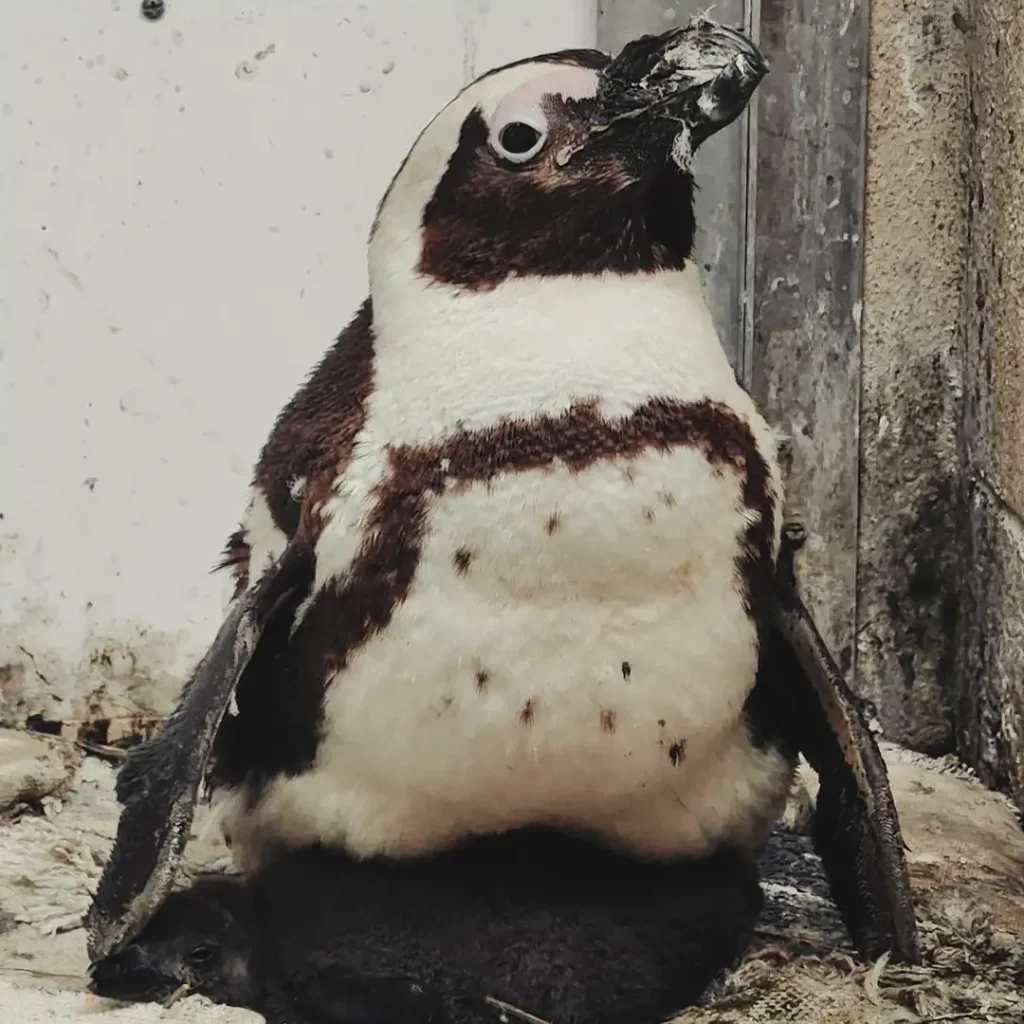
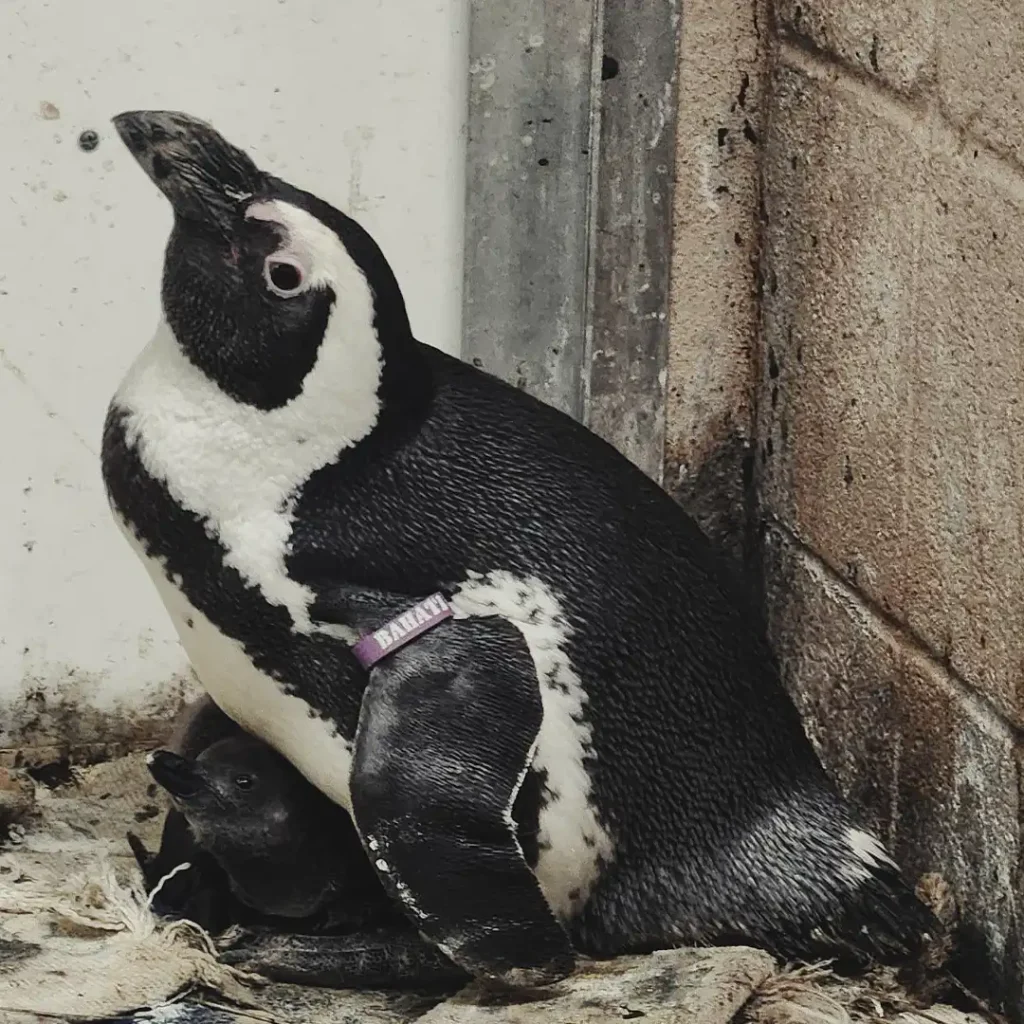
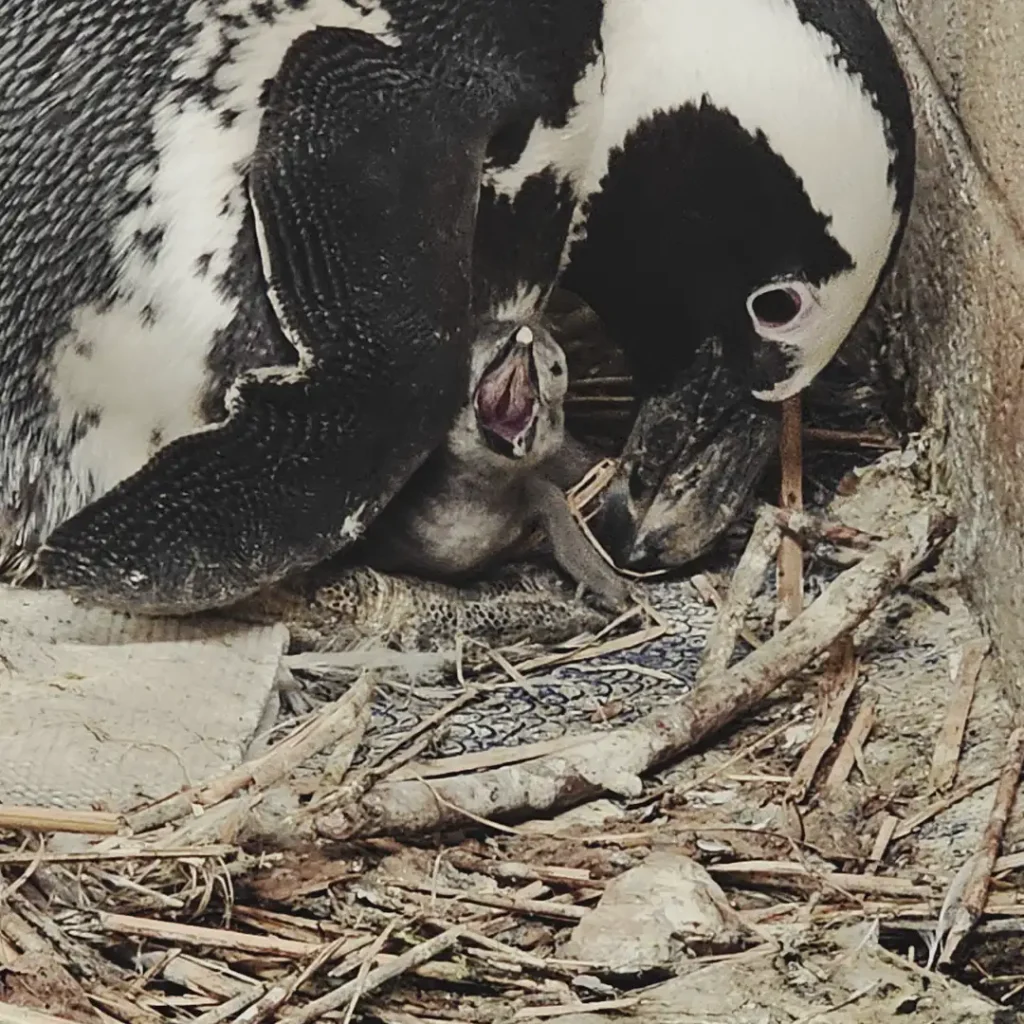
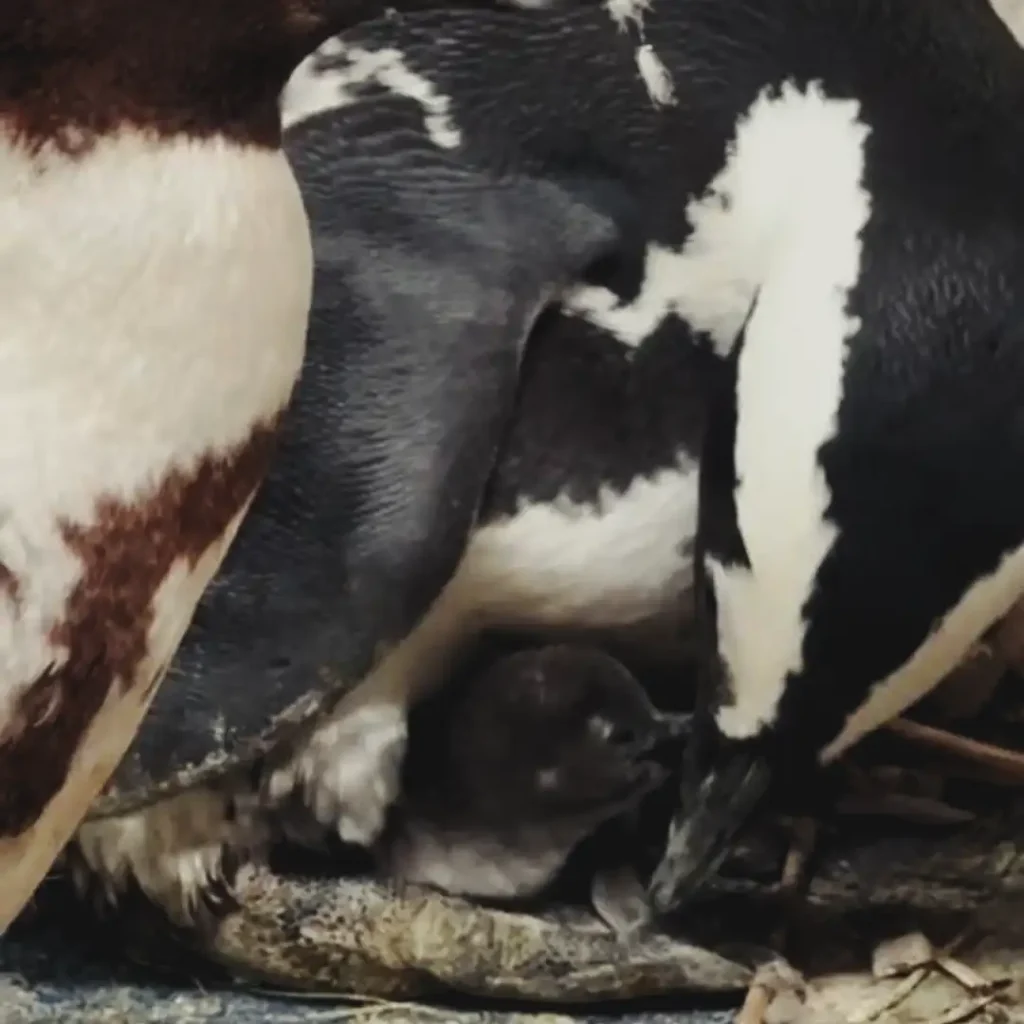
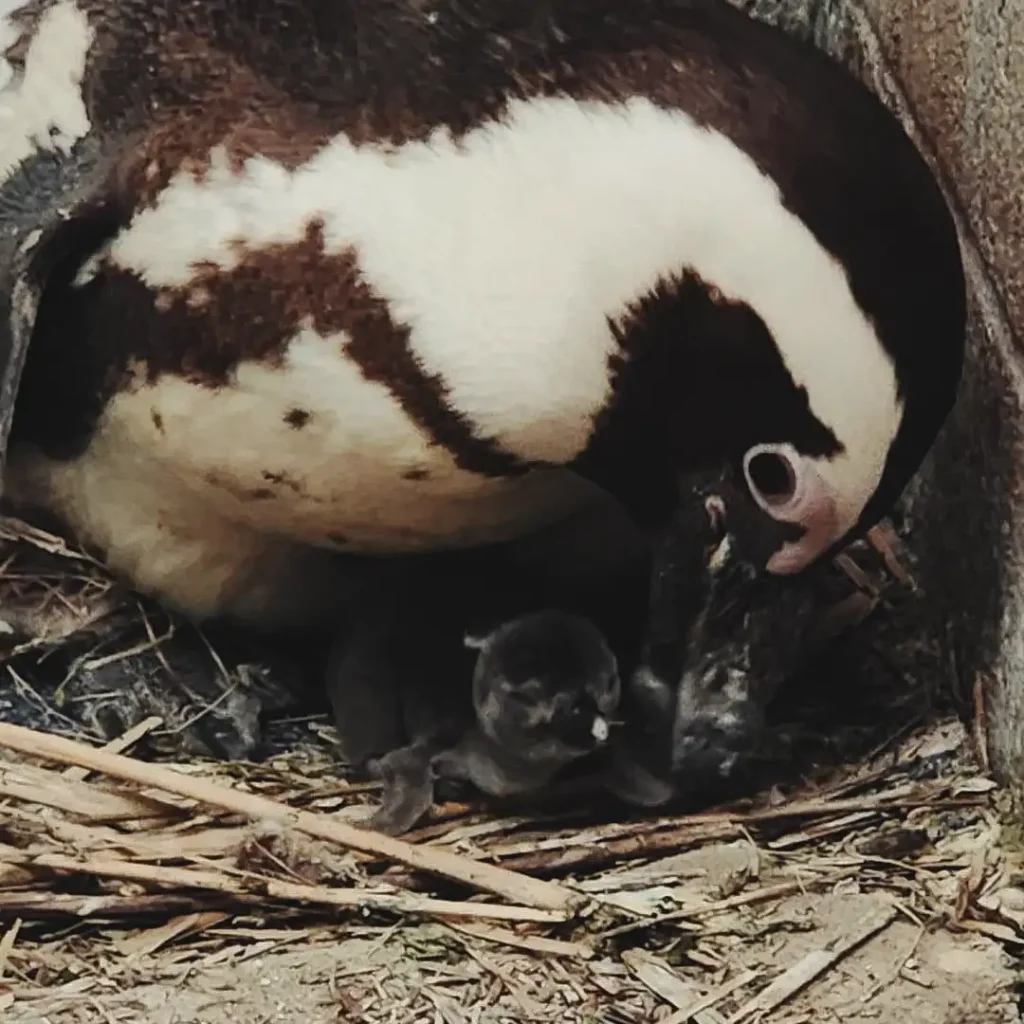
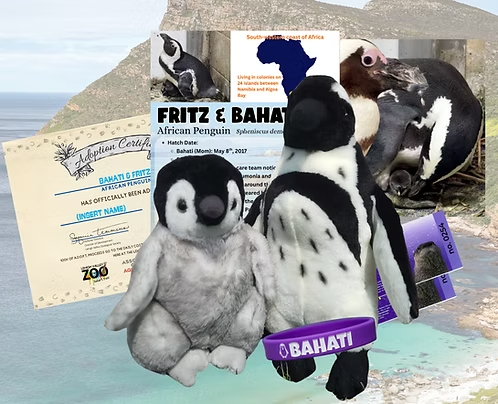
Fritz and his parents were observed very closely, and all three were kept indoors together to allow time for bonding, care, and safety. A camera was set up to allow for continuous monitoring by staff. Both parents took turns caring for Fritz, hovering closely over him for warmth and protection.
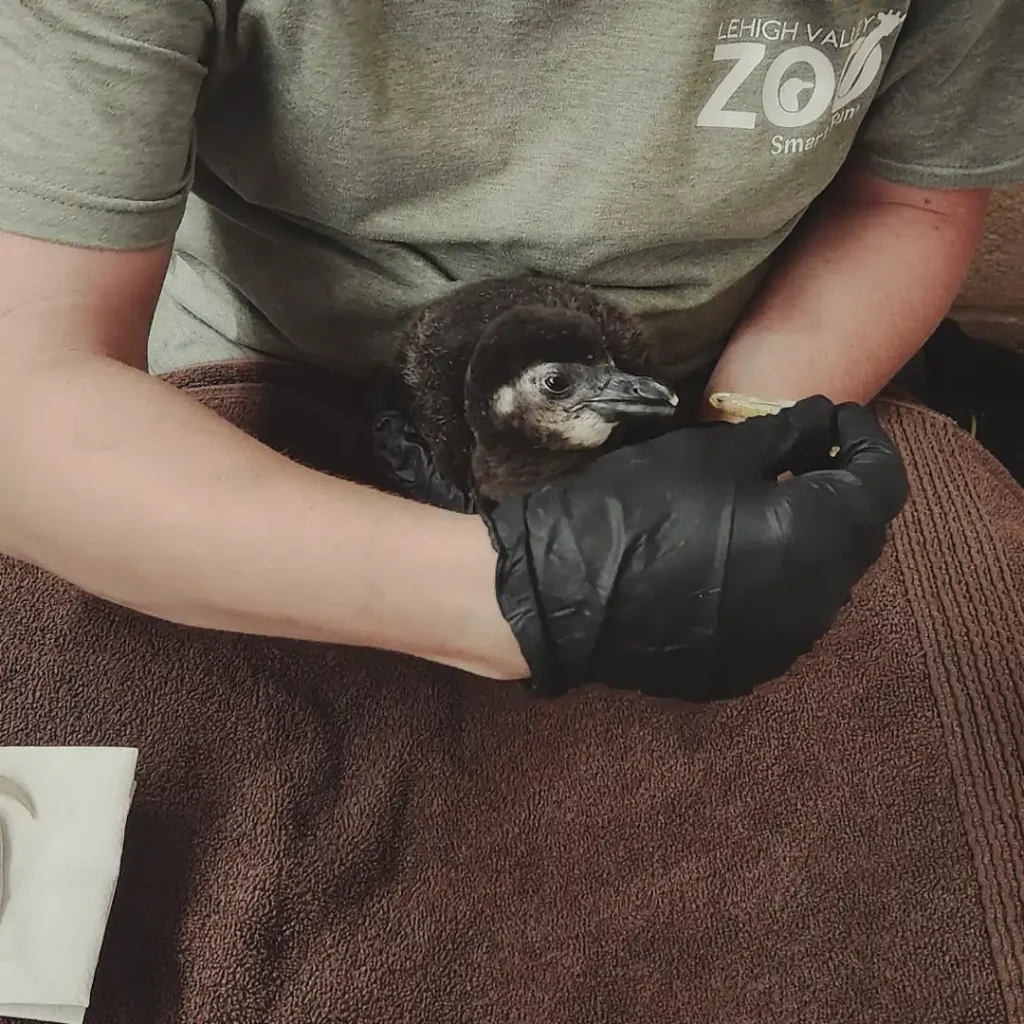
Within 24 hours, staff witnessed the first feedings. Penguins will regurgitate partially digested fish and open their beaks so that the chick can eat the softened food. While Bahati and Thulani took turns feeding their newborn, Animal Care staff recorded the frequency of feeding and which parent provided the feeding.
Fritz received his first full medical checkup at five days old and was rechecked weekly by LV Zoo veterinarians. There were no indications of any health concerns early in his development.
Hand Rearing
After about three weeks, when penguins weigh about 1000 grams (2.2 lb.), AC staff begins to hand-feed chicks. Starting with small fish like smelt and silversides, the chick should eat enough to gain about 10-percent of its body weight on a daily basis. The chick is weighed each morning to confirm proper weight gain. At this time, the parents are allowed to rejoin the colony.
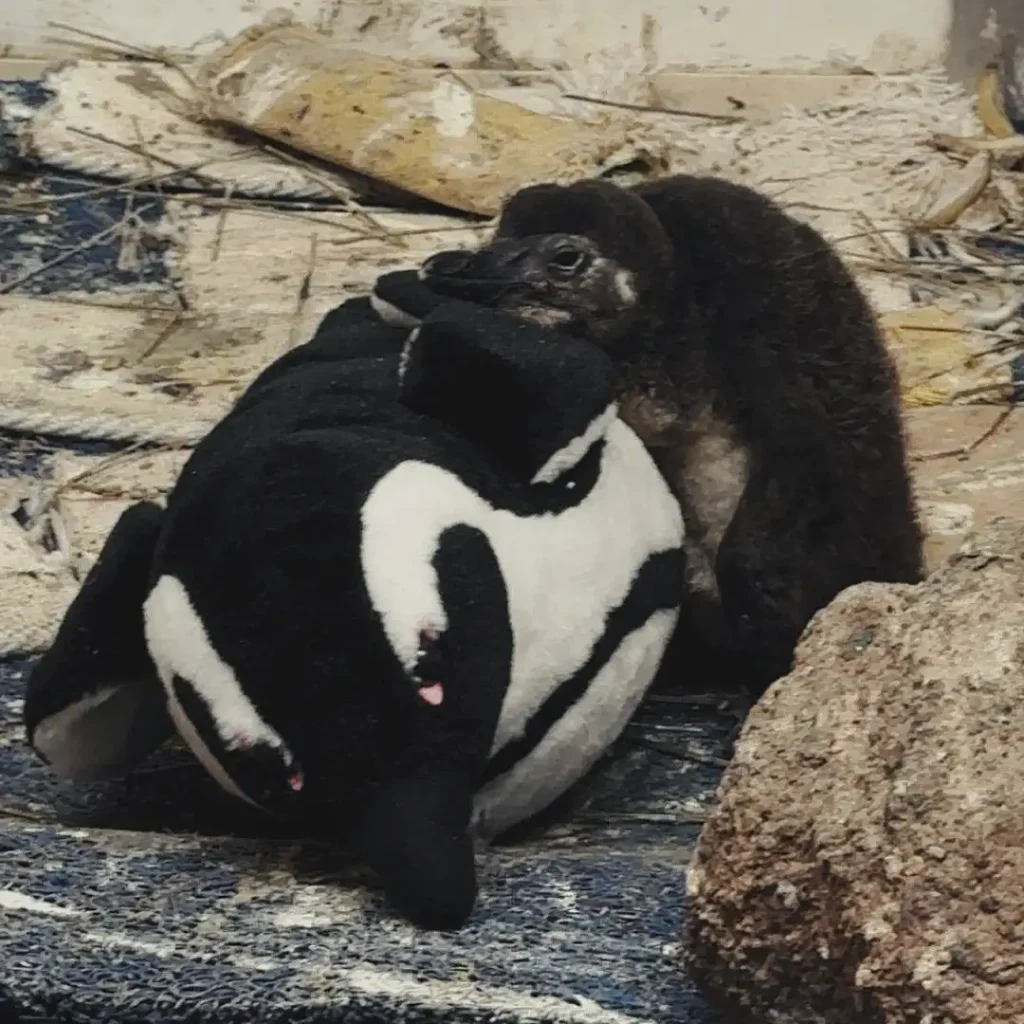
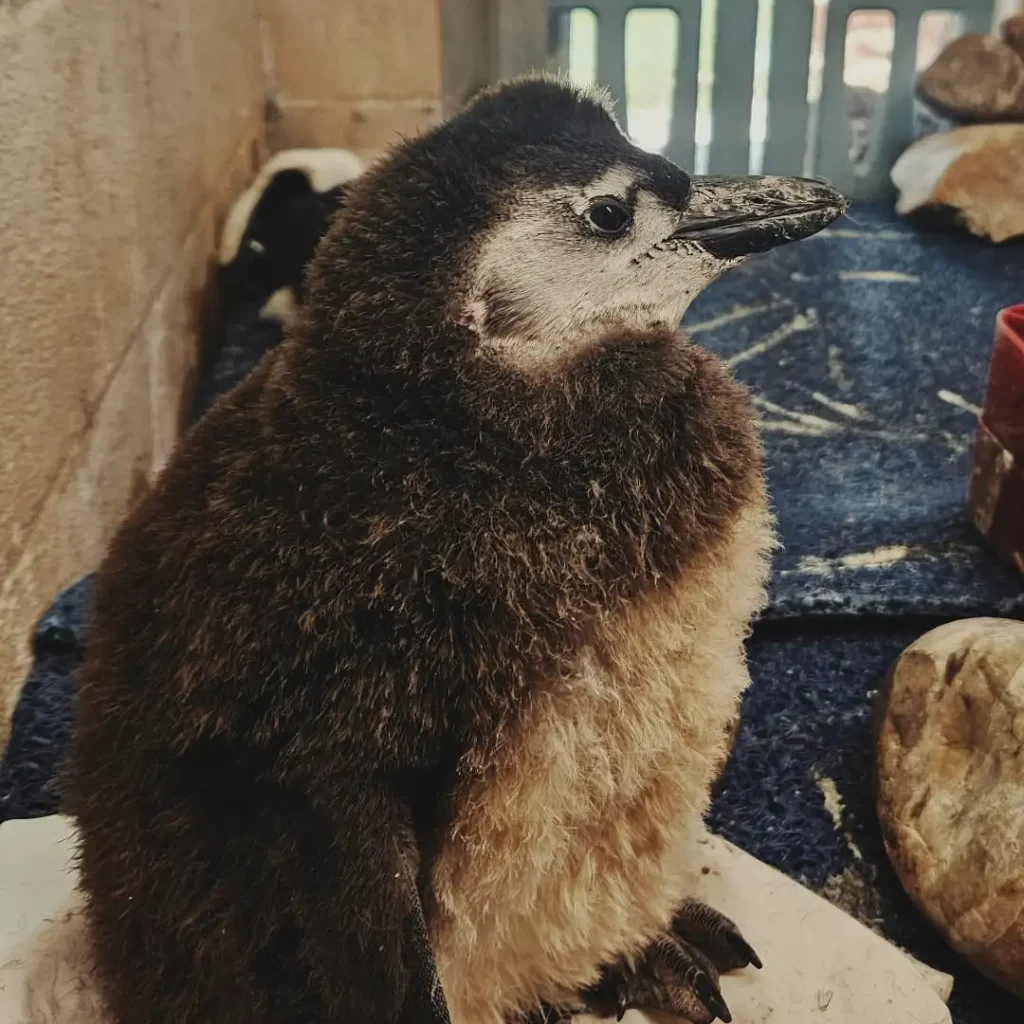
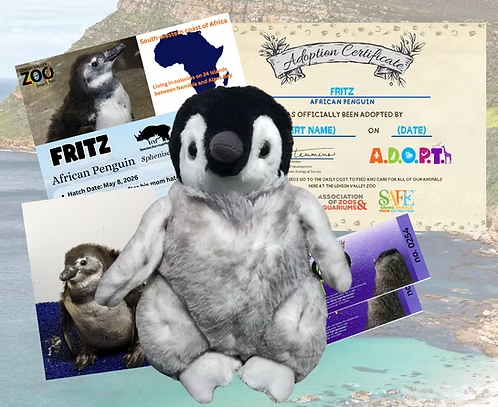
Separating a chick from its parents allows for improved monitoring of growth and development – especially if there are two chicks in a nest, as the second chick may be out-competed by the first chick. Additionally, chicks weaned in this manner are reported to accept routine handling better, are much more relaxed in the colony, and accept hand-feeding more effectively. Since Fritz did not have a sibling, he was provided with a penguin stuffed animal for added comfort and support.
Treatment
Fritz was developing well until around six weeks of age, when our attentive AC staff noted that his breathing had become deep and labored. He was examined by zoo veterinarians and diagnosed with pneumonia and was prescribed oral medications to treat the respiratory infection. However, his condition quickly became critical, and he was admitted to our Veterinary Intensive Care Unit. Here, Fritz was provided concentrated oxygen in addition to receiving oral and nebulized treatments, which deliver the medication as mist inhaled directly into the lungs.
Throughout his time at the clinic, AC and veterinary staff worked together to ensure Fritz was receiving adequate nutrition and gaining weight properly. During his treatments, he didn’t always have a strong appetite, so a fish formula was added to his diet. Some of the formula was fed to him directly, and some was injected into his fish for added nutrients. As he grew and consumed more food – including larger fish – staff was able to discontinue the additional formula feedings.
Fritz spent about two weeks in the veterinary hospital until his breathing improved. During this time, he gained weight, his activity levels increased, and he displayed comfort and ease while breathing room air. He was released from the ICU and returned to the indoor penguin habitat so that he could readjust to life as a penguin. A lot of time, hard work, research, and effort was put into nursing him back to health and giving him every chance to thrive.
Learning to Penguin
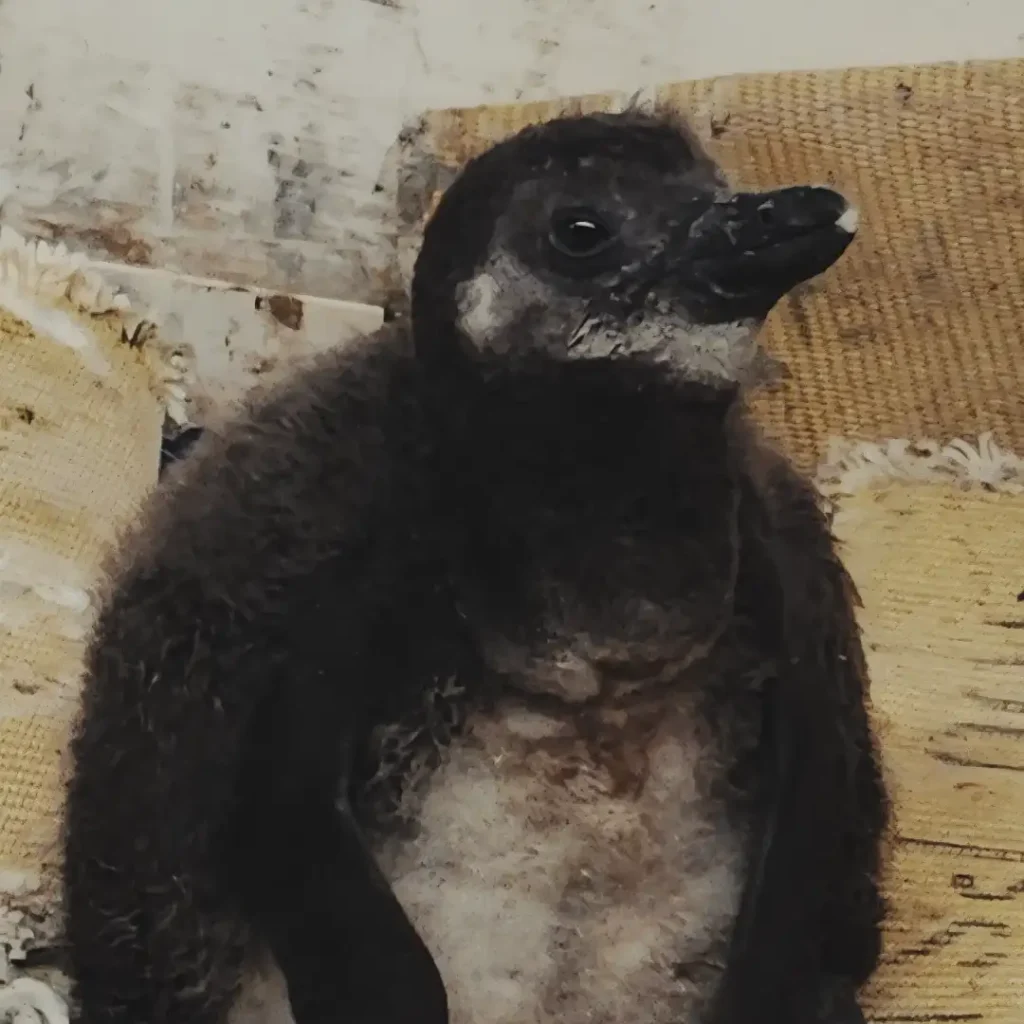
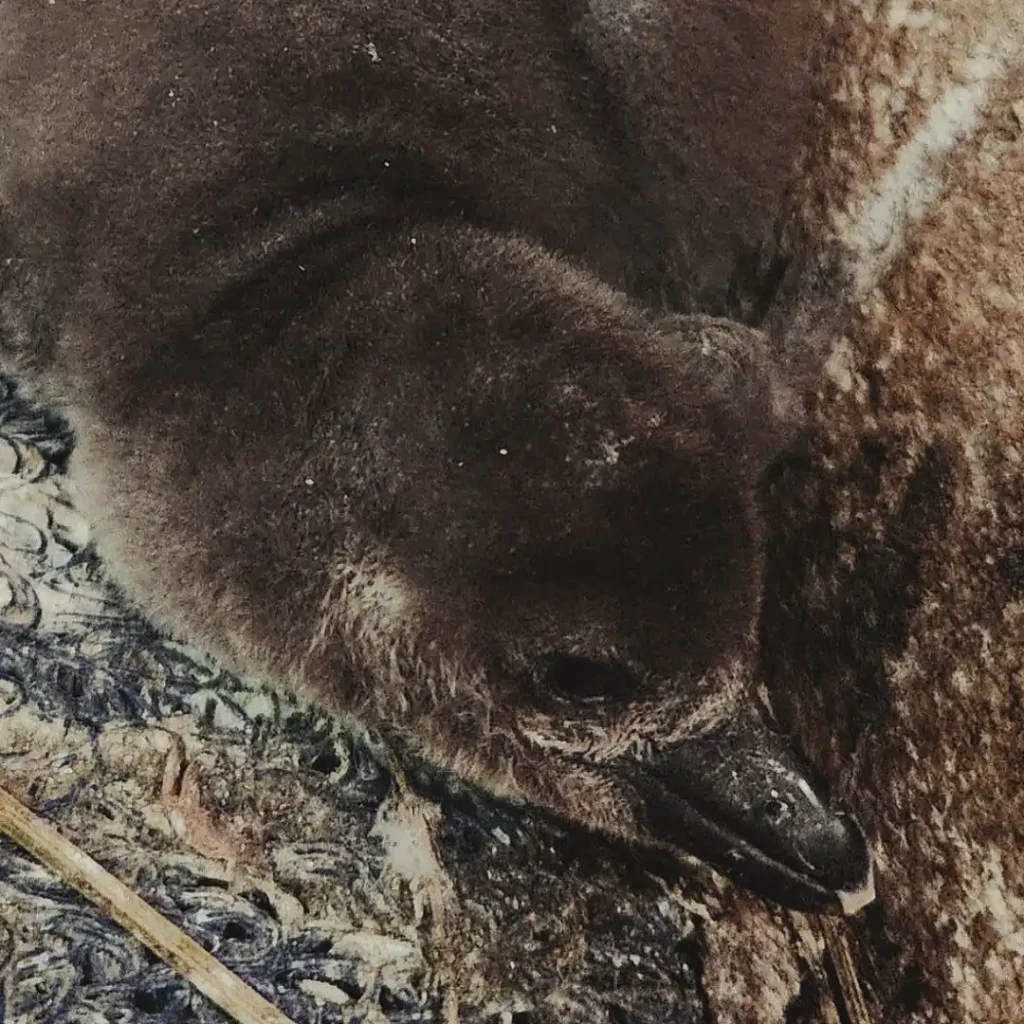
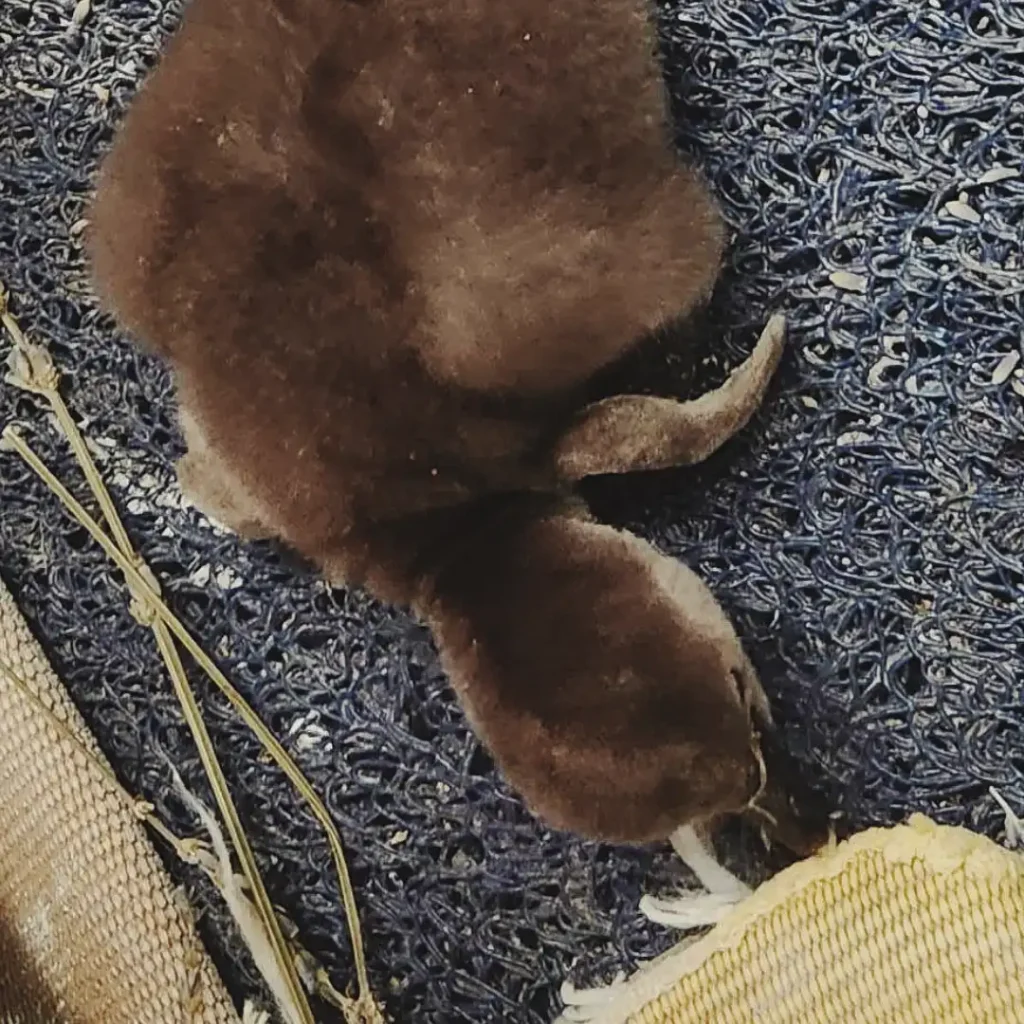
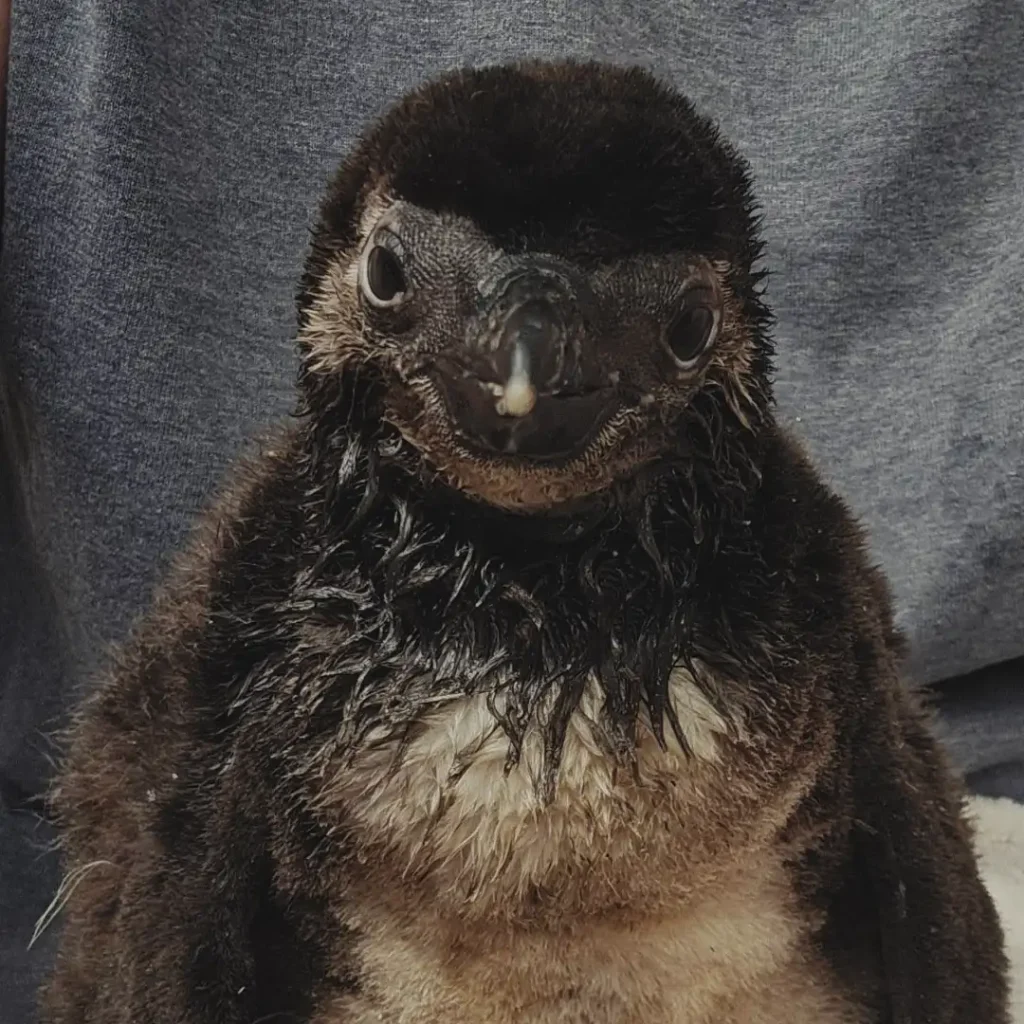
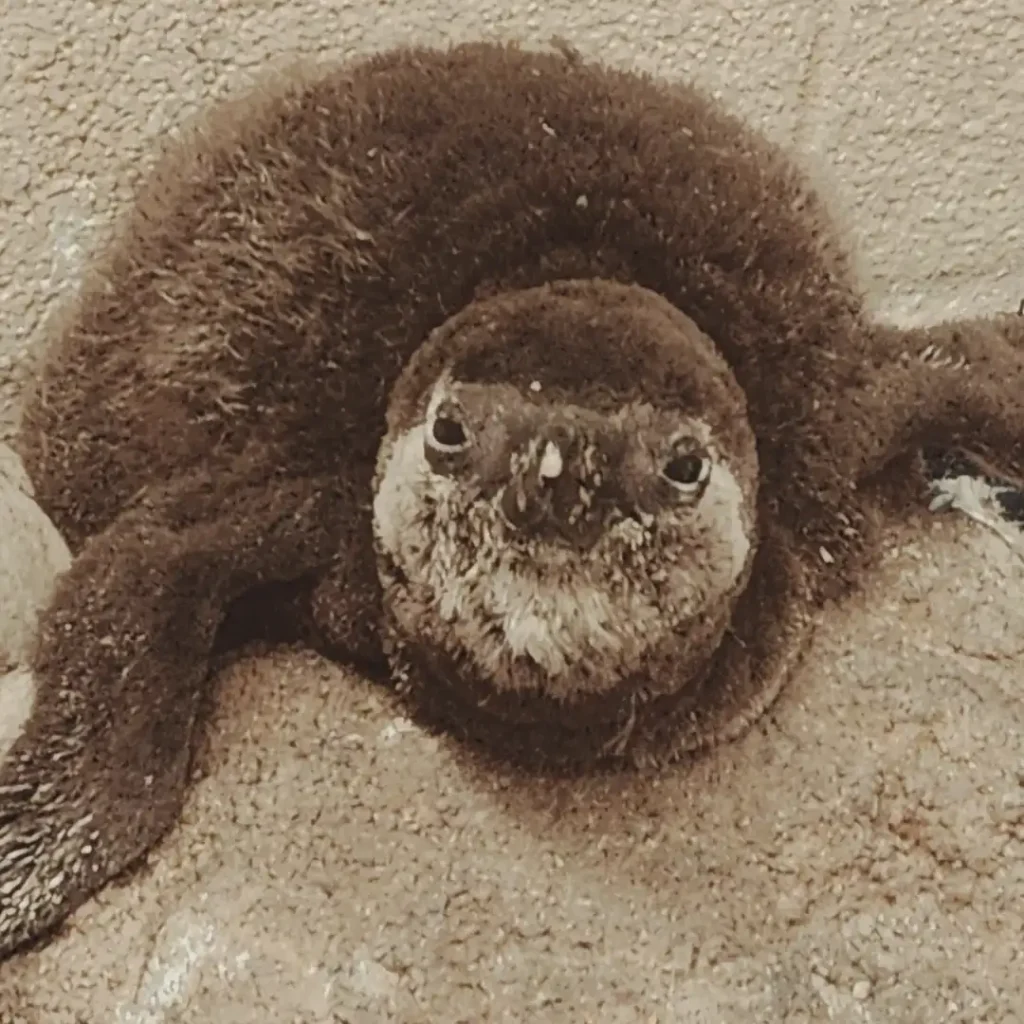
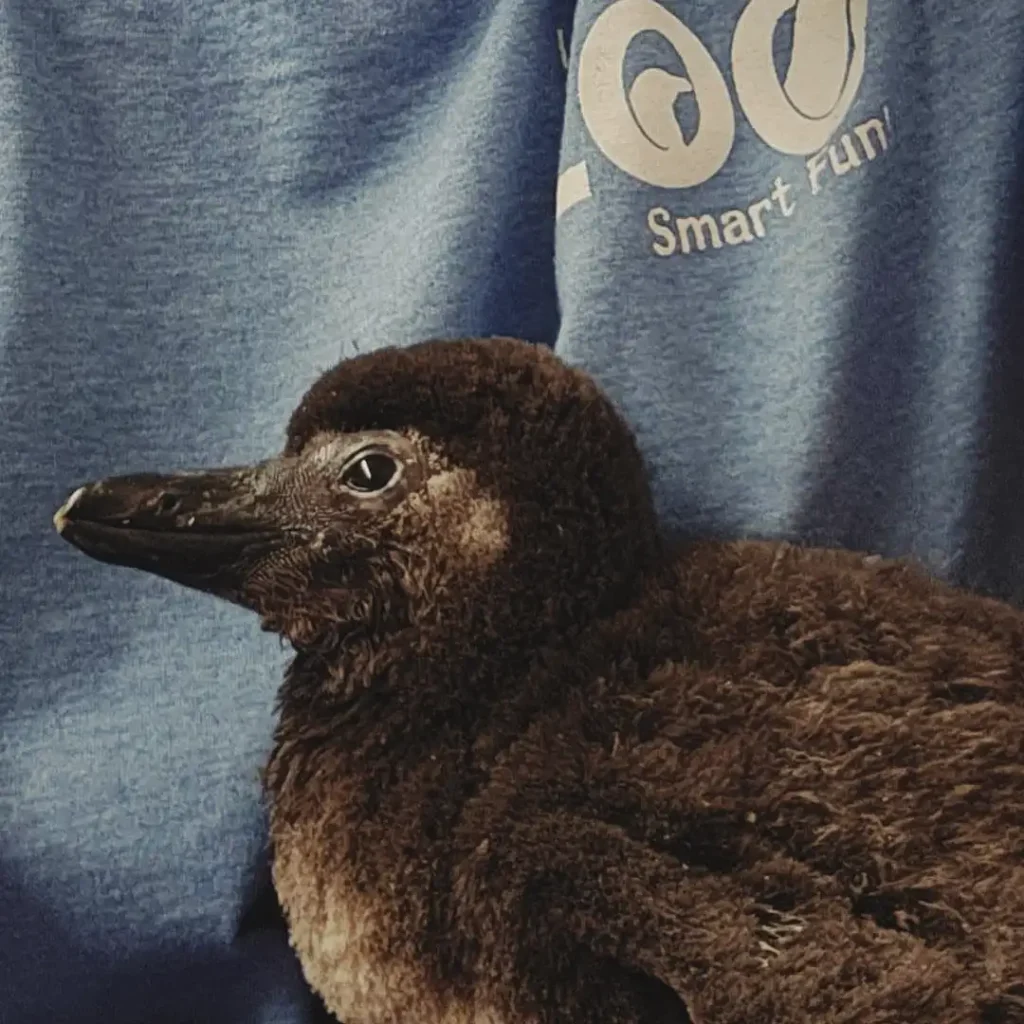
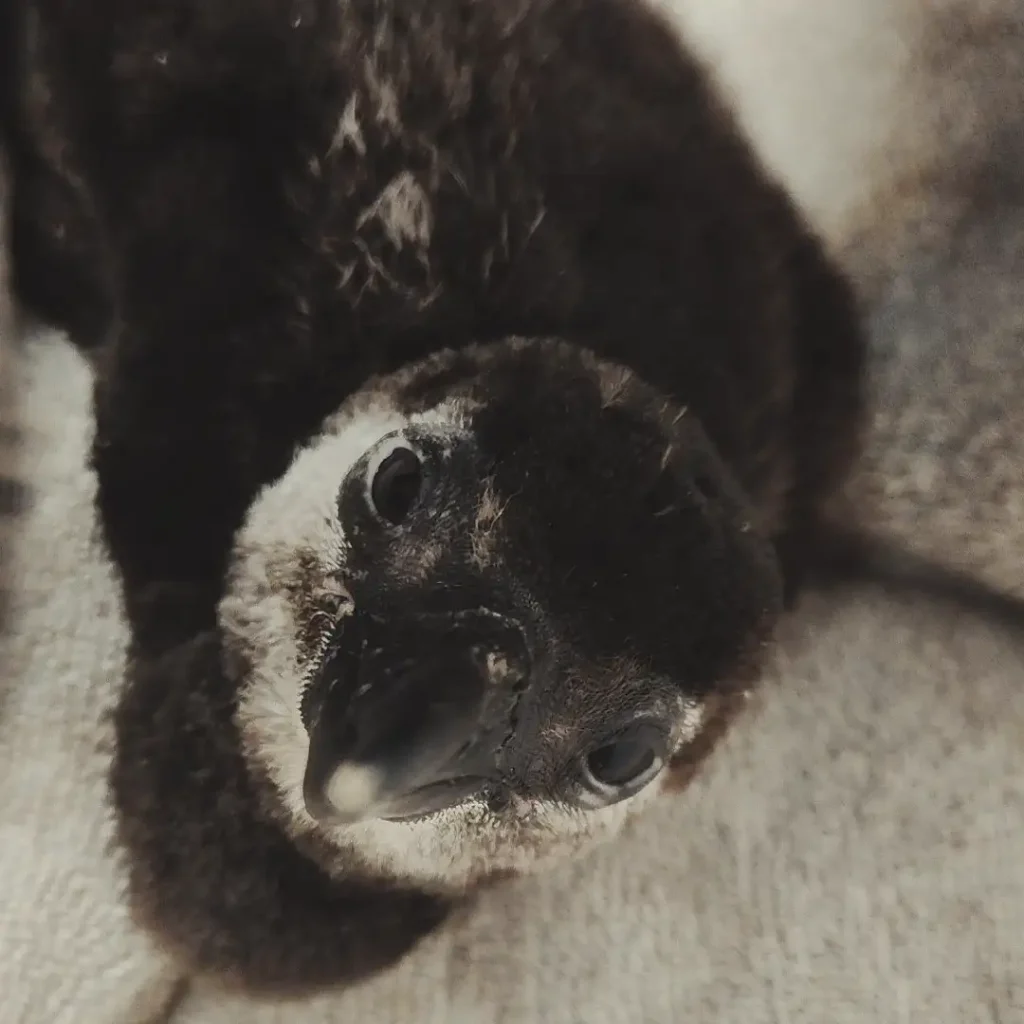
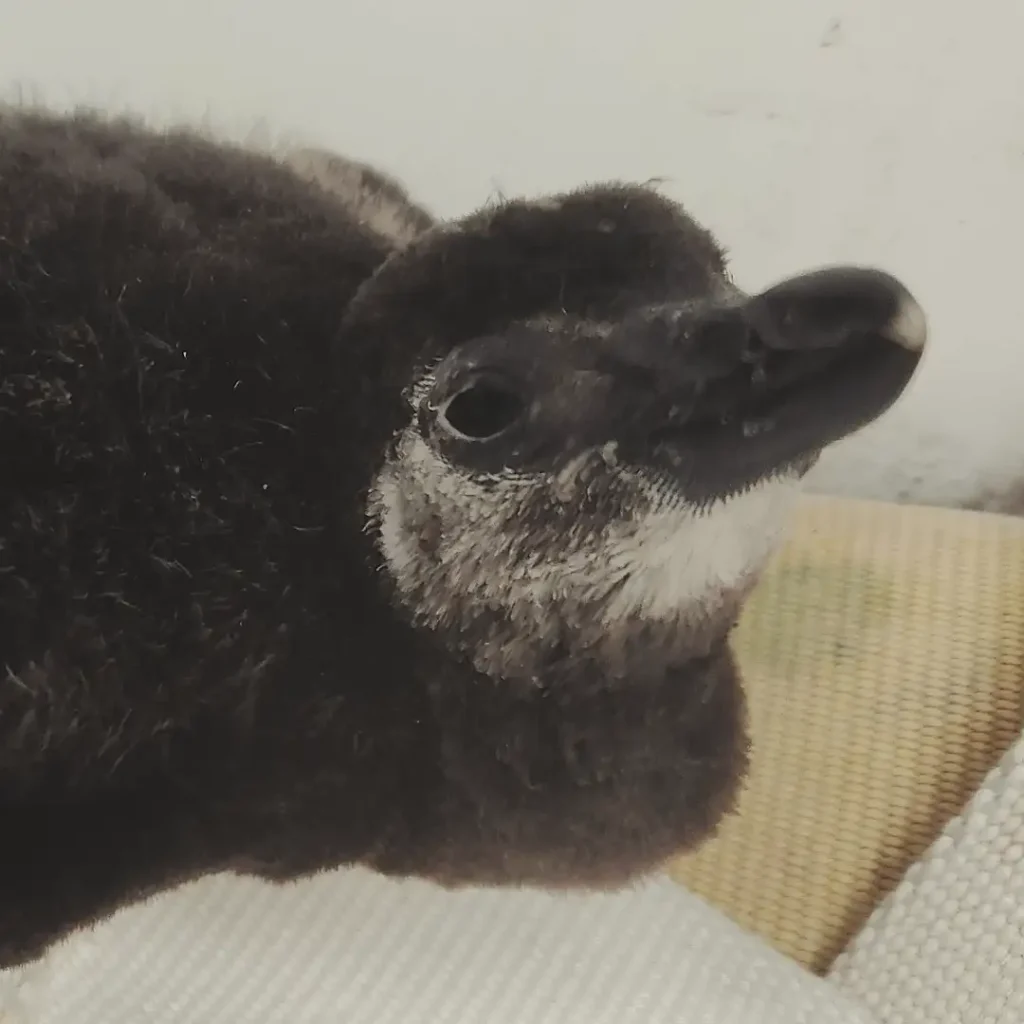
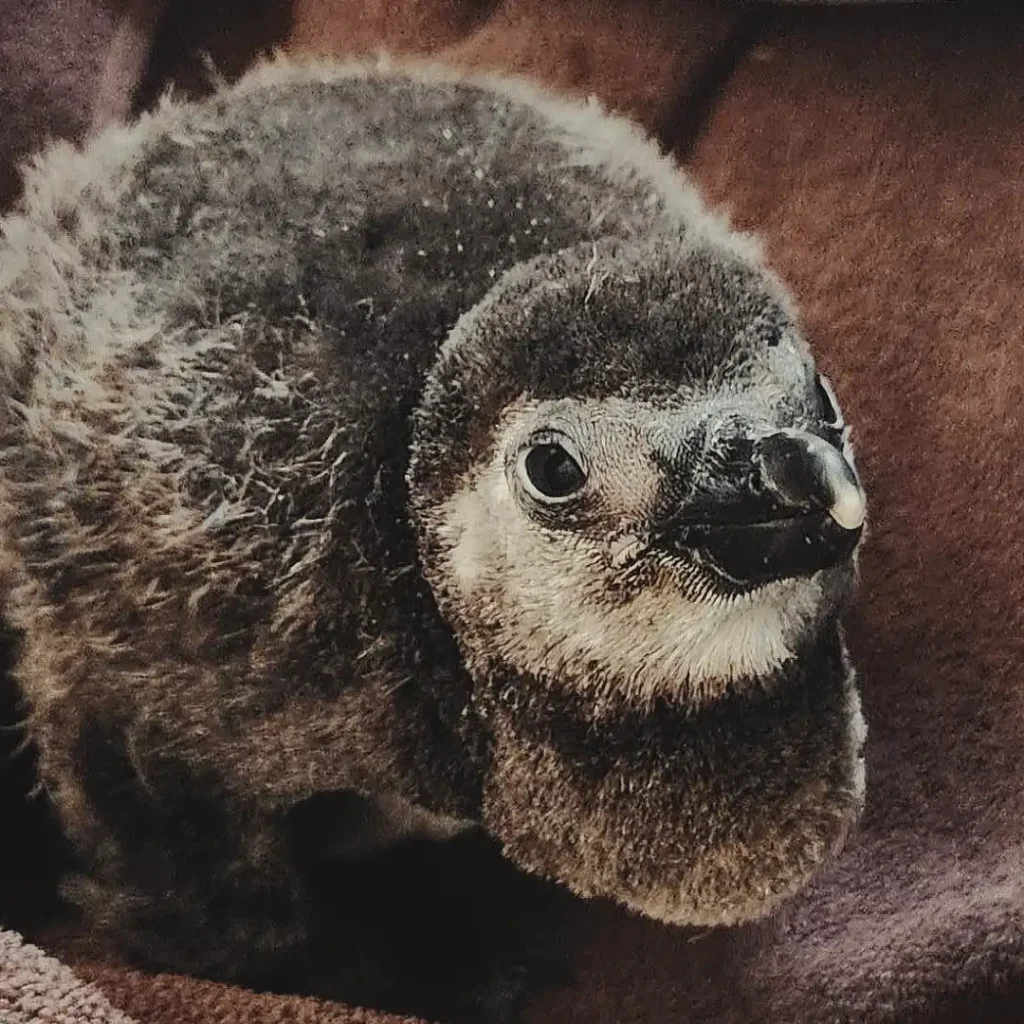
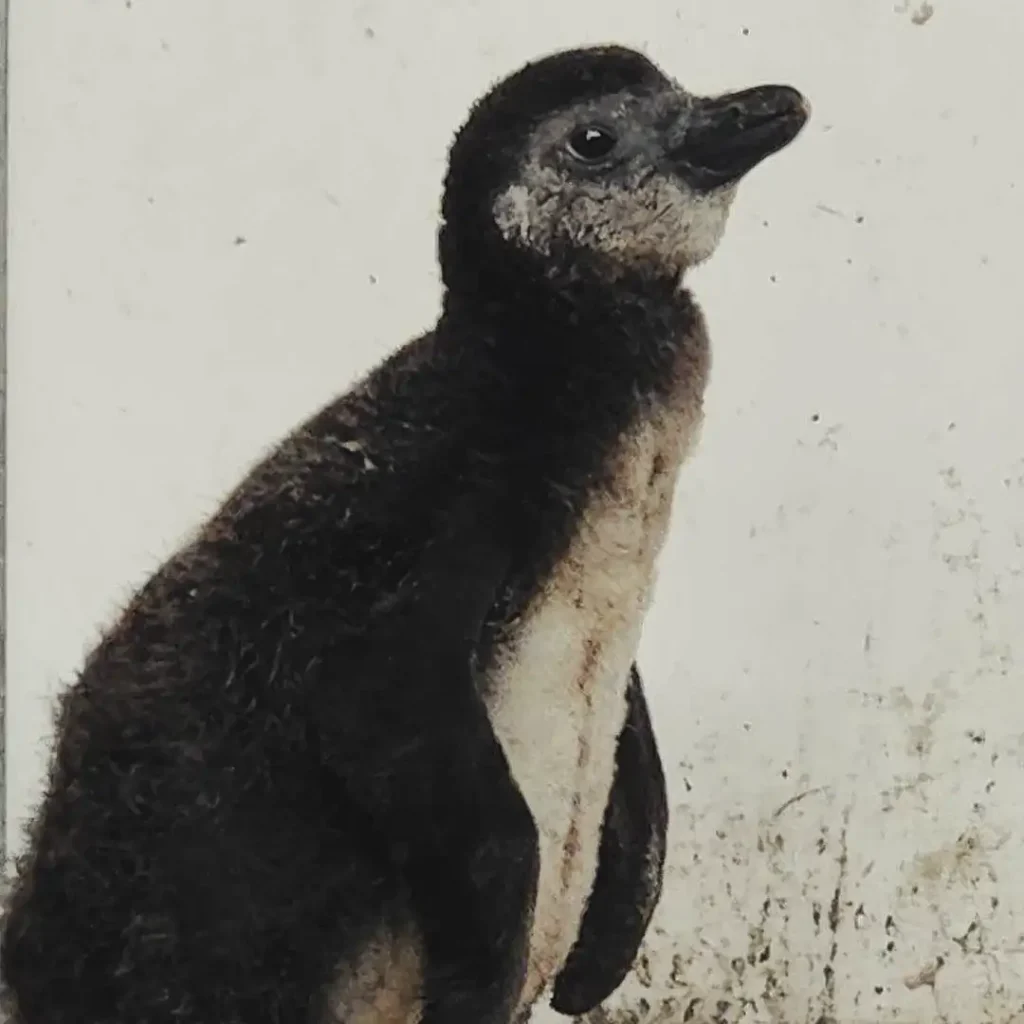
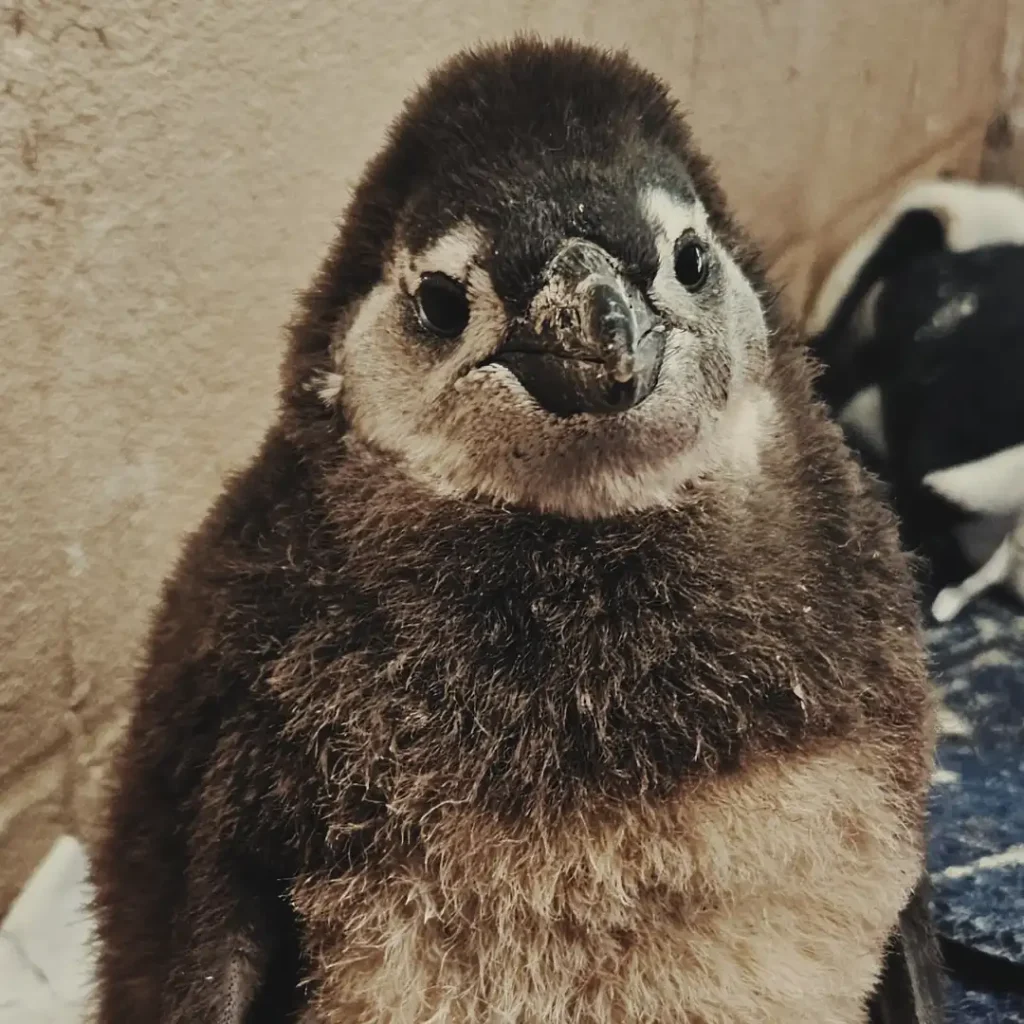
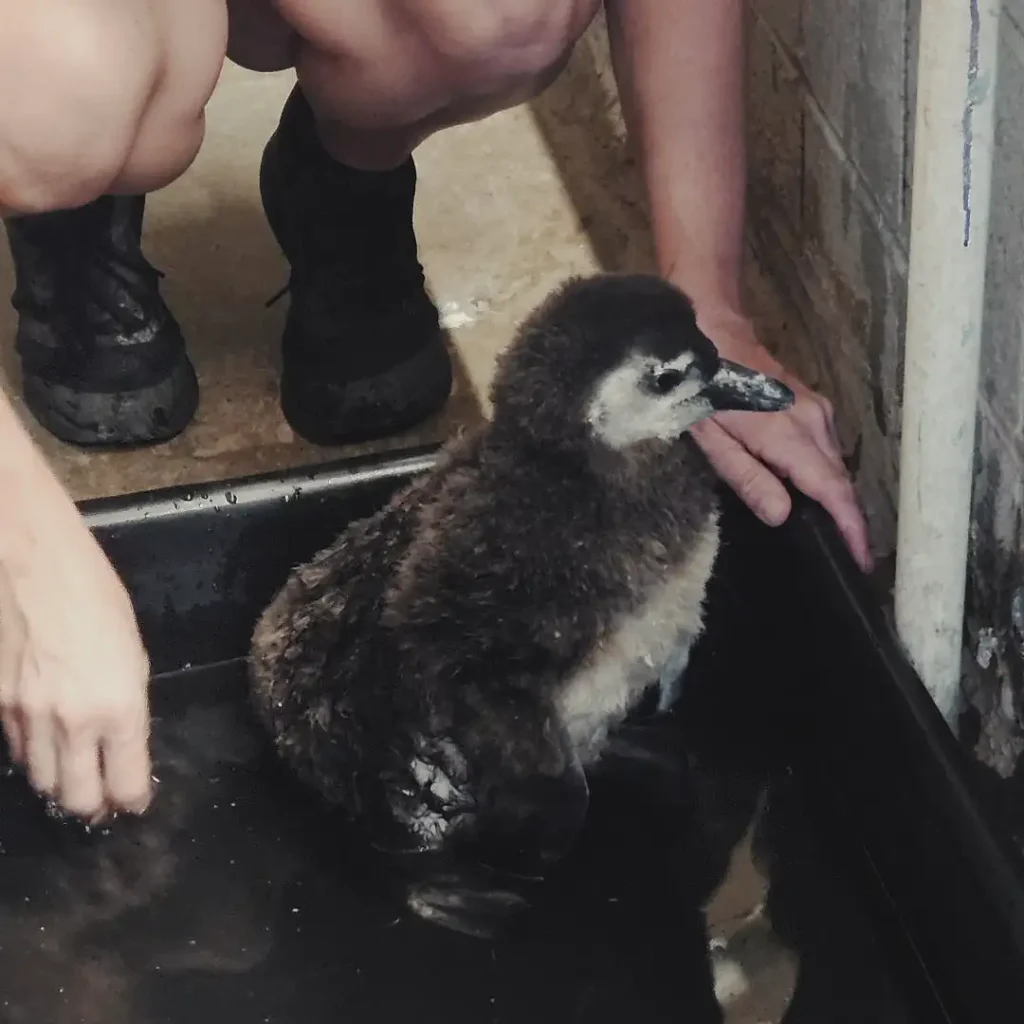
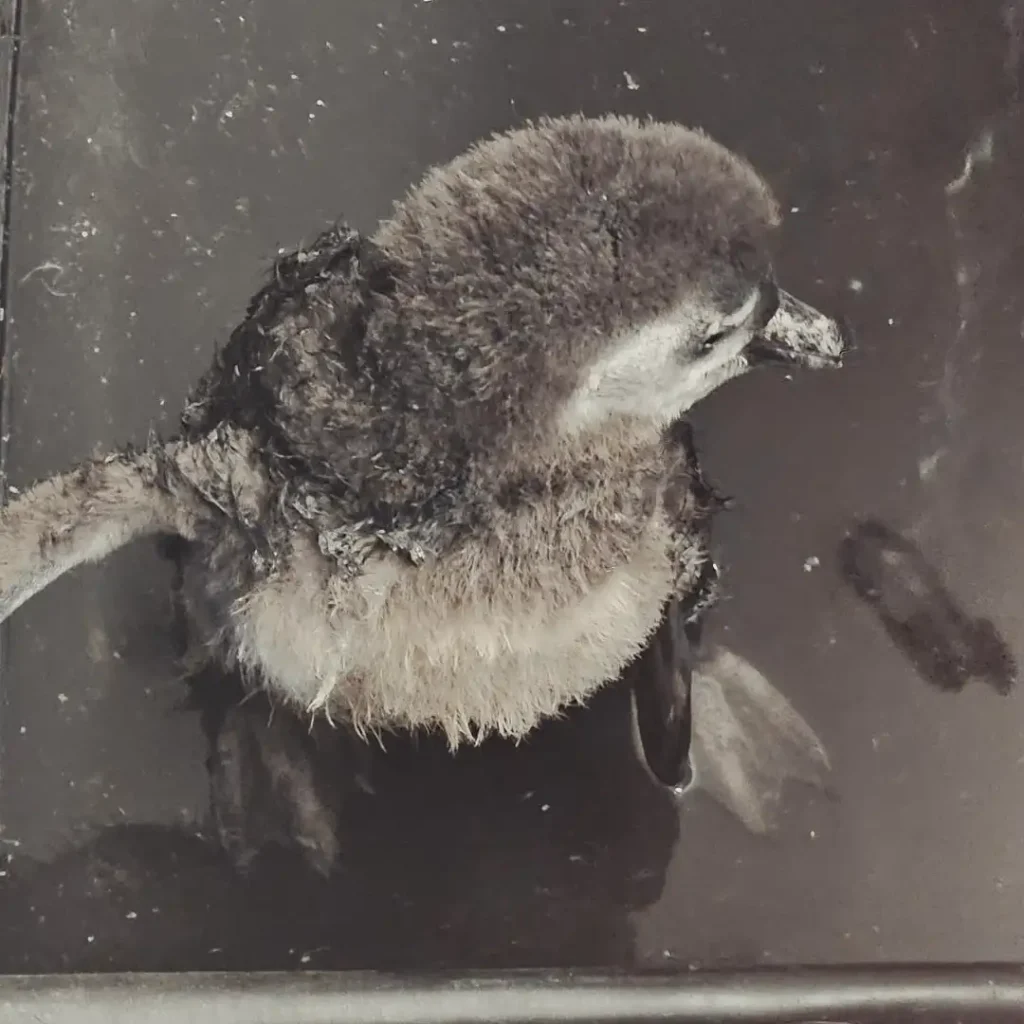
Young penguins are born with soft, downy feathers. Between 6-8 weeks of age, they will start to grow juvenile plumage, including sleek, waterproof feathers. Once these feathers begin to grow in, a chick can be introduced to a shallow pool of water. Some chicks take several days to adjust to their time spent in the water, but Fritz was calmly walking in the water during his first pool experience. Since he still has most of his down feathers, AC staff makes sure to dry him off after he takes a dip. So far, he has only been in a few inches of water, so he has not yet taken his first full swim. He is still acclimating to this new experience.
What’s Next
LV Zoo will notify the public once AC staff deems Fritz ready for life in the outdoor habitat – making him viewable for guests of the zoo.
LV Zoo is open seven days a week from 10 a.m. to 4 p.m. with extended hours of 10 a.m. to 6 p.m. on Saturdays through Aug. 15. Tickets are available at lvzoo.org.
# # #
About Jefferson
Jefferson is reimagining health care and higher education to create unparalleled value throughout Pennsylvania, New Jersey and Delaware. More than 65,000 people strong, Jefferson is dedicated to providing high-quality, compassionate clinical care for patients; making our communities healthier and stronger; preparing tomorrow’s professional leaders for 21st-century careers; and creating new knowledge through basic/programmatic, clinical and applied research. Thomas Jefferson University, home of Sidney Kimmel Medical College, Jefferson College of Nursing, the College of Business, the College of Fashion & Textiles, and the College of Architecture, Design & Engineering, dates back to 1824 and today comprises 11 colleges and one school offering 200+ undergraduate and graduate programs to more than 8,700 students. Jefferson Health, nationally ranked as one of the top 15 not-for-profit healthcare systems in the country and the largest provider in the Philadelphia and Lehigh Valley areas, serves patients through millions of encounters each year at 33 hospital campuses and more than 700 outpatient and urgent care locations throughout the region. Jefferson Health Plans, through Health Partners Plans Inc., is a not-for-profit managed healthcare organization offering a broad range of health coverage options to more than 370,000 members for more than 40 years.
# # #